
Seasonal, Single Origin Coffee. Never Blends.
-
BLACK RAIN
Regular price From £13.00 GBPRegular price -
Decaf - Colombia
Regular price From £14.00 GBPRegular price -
CAJAMARCA - Peru
Regular price From £13.90 GBPRegular price -
GOTITI - Ethiopia
Regular price From £17.90 GBPRegular price -
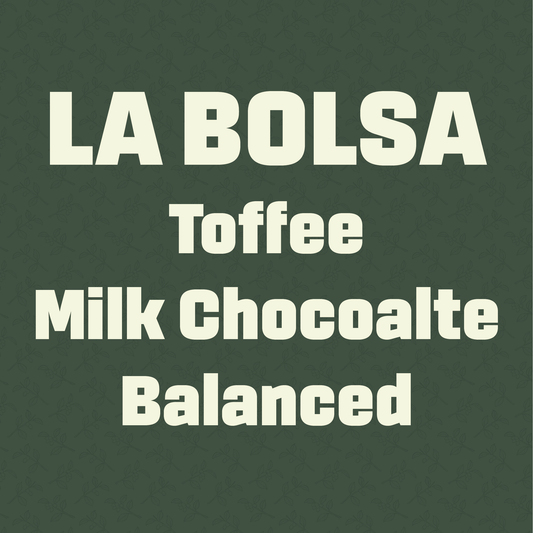
LA BOLSA - Guatemala
Regular price From £12.50 GBPRegular price -
LALESA - Ethiopia
Regular price From £17.90 GBPRegular price








Why I Choose Single Origin Coffee Beans
I’ve never really loved coffee blends.
We used to work with blends a lot in the coffee shops I’ve worked in, and I understand why they exist. For a speciality coffee roaster, blending different coffees together can be a useful way of creating consistency. If one coffee disappears or changes with the seasons, you can swap something else in and try to keep the overall flavour tasting roughly the same.
But personally, I think that takes away one of the most interesting things about coffee.
I see single origin coffee in a similar way to wine. I’m interested in where it was grown, who grew it, the varieties planted, the altitude, the soil, the climate and how the coffee was picked and processed. Two coffees grown on neighbouring farms can taste noticeably different, just as wines from nearby vineyards can share certain characteristics while still having their own identity.
That difference is the exciting bit.

Coffee doesn’t need to taste the same all year
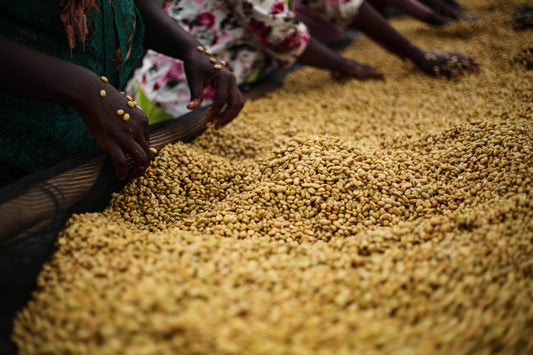
Coffee is an agricultural product. It grows on trees, the coffee cherry ripens, it gets picked and processed, and eventually another harvest comes around.
So why should we expect our coffee to taste exactly the same 365 days a year?
I’d much rather embrace that seasonality. Throughout the year I source different single origin speciality coffees as harvests become available. That means the coffees I roast naturally change with the seasons.
One month I might find a beautifully clean washed coffee from Kenya with loads of blackcurrant-like acidity. Another harvest might bring a soft, chocolatey coffee from Guatemala or a delicate, tea-like coffee from Ethiopia.
For me, that’s much more interesting than trying to engineer the same flavour throughout the year.

Most of the hard work happens before I roast it
As a coffee roaster, I sometimes joke that my job is basically turning green coffee brown. As a barista, I’m smashing those brown beans into smaller pieces and pouring water over them.
Obviously there’s a little more to both jobs than that, but there’s a serious point behind it.
So much of what makes a coffee delicious has already happened before I get anywhere near it.
The farmer has chosen what coffee varieties to grow and where to plant them. The trees have been influenced by their altitude, soil, rainfall, temperature and sunlight. Someone has decided when the cherries are ripe enough to pick, how they’re processed, how long they’re fermented and how carefully they’re dried.
All of those decisions contribute to the flavour of the green coffee I eventually get to roast.
My job isn’t to cover that up. I want to roast each coffee in a way that lets those characteristics come through.
That’s another reason I love single origin coffee beans. I want you to be able to taste something of the place and people behind the coffee rather than blending that identity away.

Fresh crop and seasonal coffee
Seasonality matters for another reason too: green coffee doesn’t stay fresh forever.
Coffee gradually changes as it ages. Really old green coffee can begin to taste flat, woody or papery, losing the brightness, sweetness and character that made it exciting in the first place.
That’s why I try to buy fresh crop coffee and work with coffees when they’re tasting their best rather than holding onto the same origins simply because I need to maintain a particular blend.
It means the coffees available from FREDA will change throughout the year, and I think that’s a good thing.
There will be new farms, new origins, new harvests and occasionally coffees that I absolutely love but might not be able to buy again.
For me, that’s what speciality coffee should be about. Coffee doesn’t need to taste exactly the same every day of the year. It’s a seasonal product grown by real people in real places, and I think we should celebrate the differences rather than try to blend them away.